Luna Wang
AI Voice Assistants
Build voice agents that answer and guide users in a natural style. Use Flash-oriented workflows when response speed shapes the experience.
 OmniVoice
Turn text into natural multilingual speech with Flash for real-time voices or Plus for polished narration — ready for bots, game dialogue, audiobooks, and global localization.
Credits: free · 1 credit per 100 characters
Definition
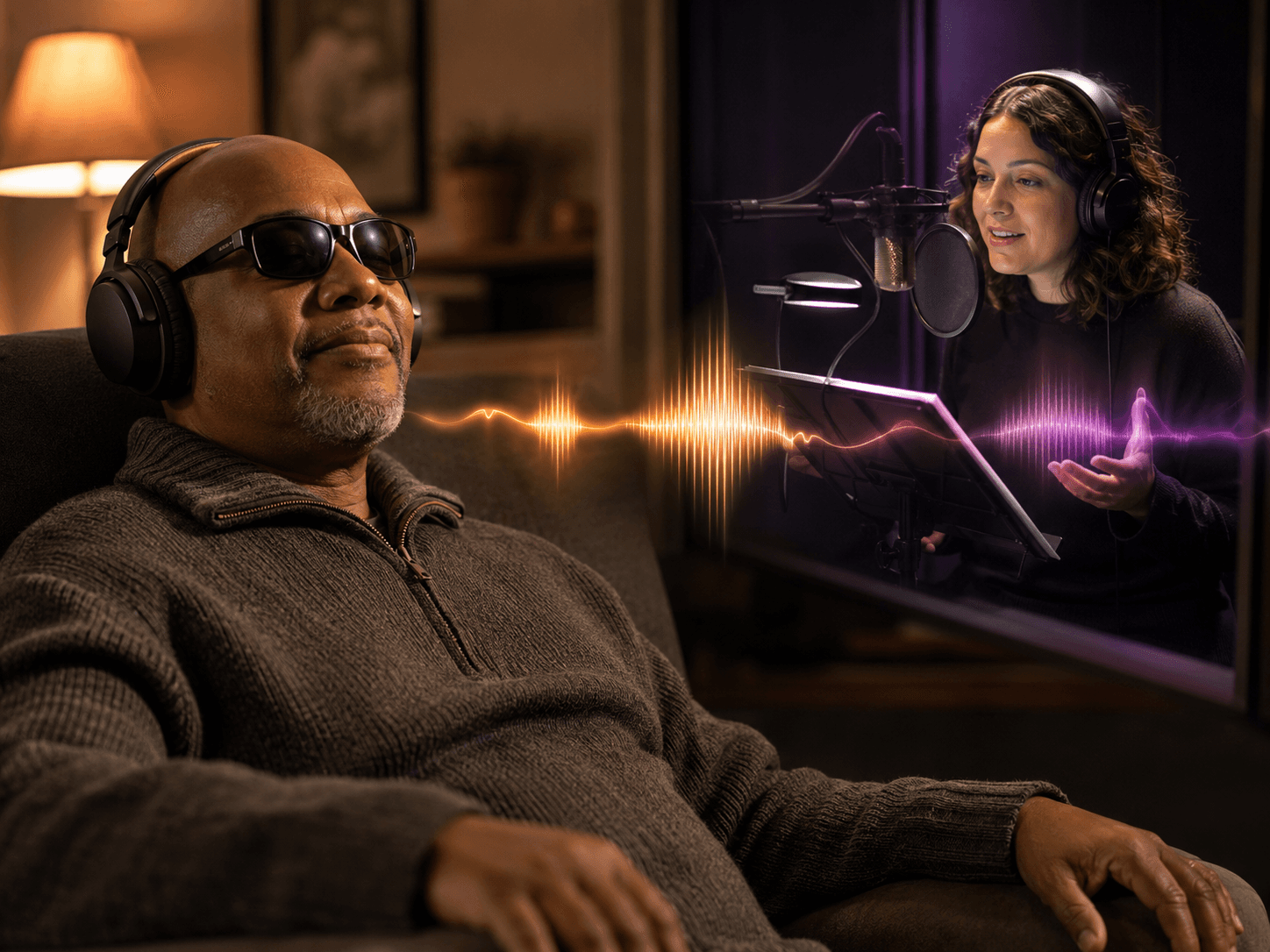
Qwen Audio 3.0 TTS is an AI text-to-speech system designed to turn written text into expressive speech. Unlike basic read-aloud tools, it fits production workflows where voice quality, language coverage, speaker style, prompt control, and audio consistency matter. Teams can use it to build multilingual voice experiences, voice agents, long-form narration, localized content, and character-driven audio.
Comparison
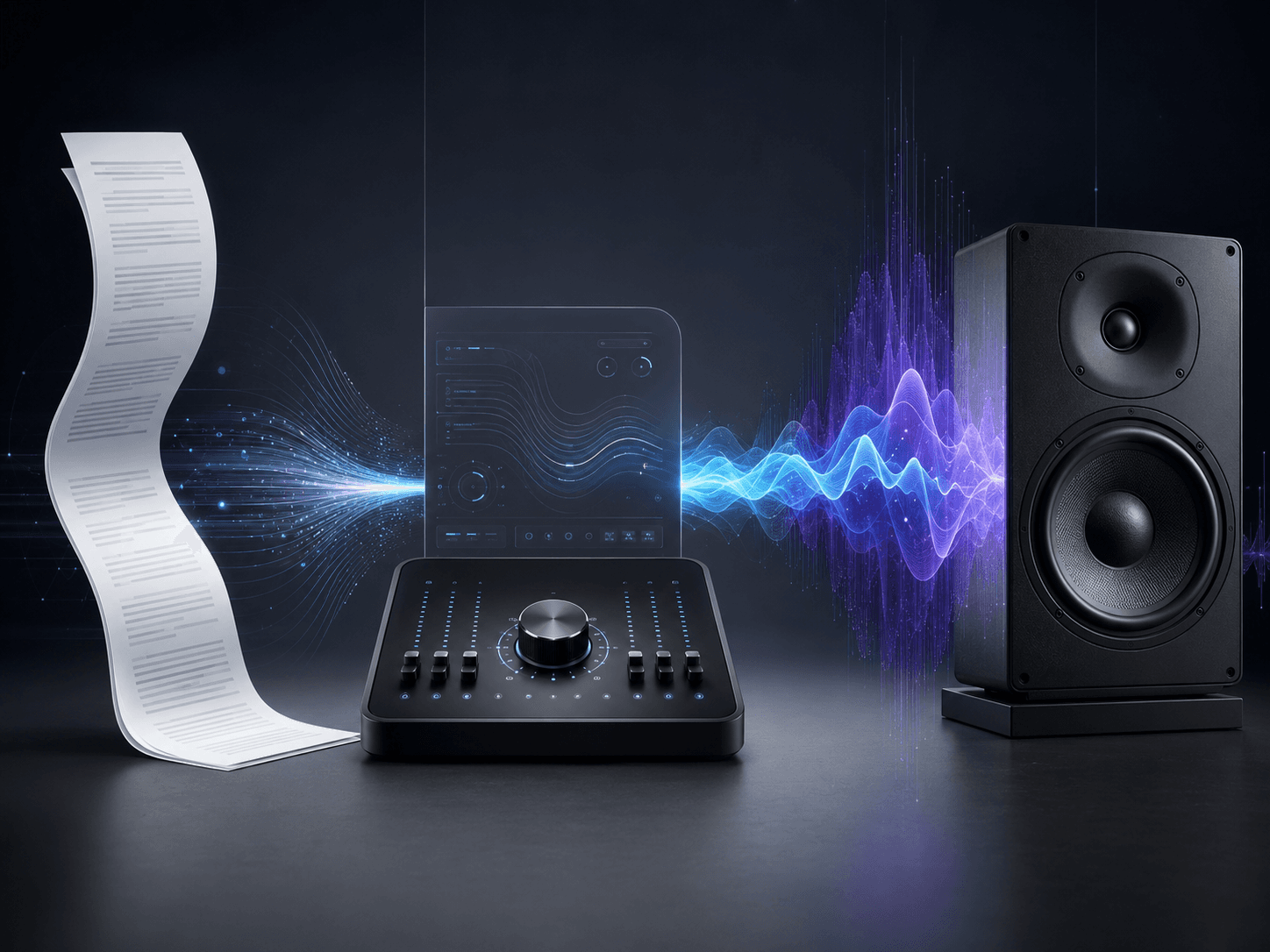
Qwen Audio 3.0 TTS is presented with two product directions: Flash and Plus. Flash is the better fit when speed matters, such as live voice agents, interactive assistants, support bots, and conversational AI products. Plus is the better fit when the final audio needs more polish, such as audiobooks, branded narration, game dialogue, training content, marketing videos, or voiceovers where naturalness and timbre fidelity matter more than response speed.

Flash
Real-time voice interaction

Plus
High-quality generation
| Variant | Best For | User Need | Suggested CTA |
|---|---|---|---|
| Flash | Real-time voice interaction | Low-latency response | Build with Flash |
| Plus | High-quality generation | More natural narration and voice fidelity | Generate with Plus |
Languages
For overseas teams, multilingual TTS is not just a language list. It is a way to localize products, support global customers, ship learning content faster, and create region-aware audio without rebuilding the voice workflow for every market. Qwen Audio 3.0 TTS is described as supporting 16 languages, including Arabic, Chinese, English, French, German, Indonesian, Italian, Japanese, Korean, Malay, Portuguese, Russian, Spanish, Tagalog, Thai, and Vietnamese.
Language availability depends on the platform experience.

Voice cloning
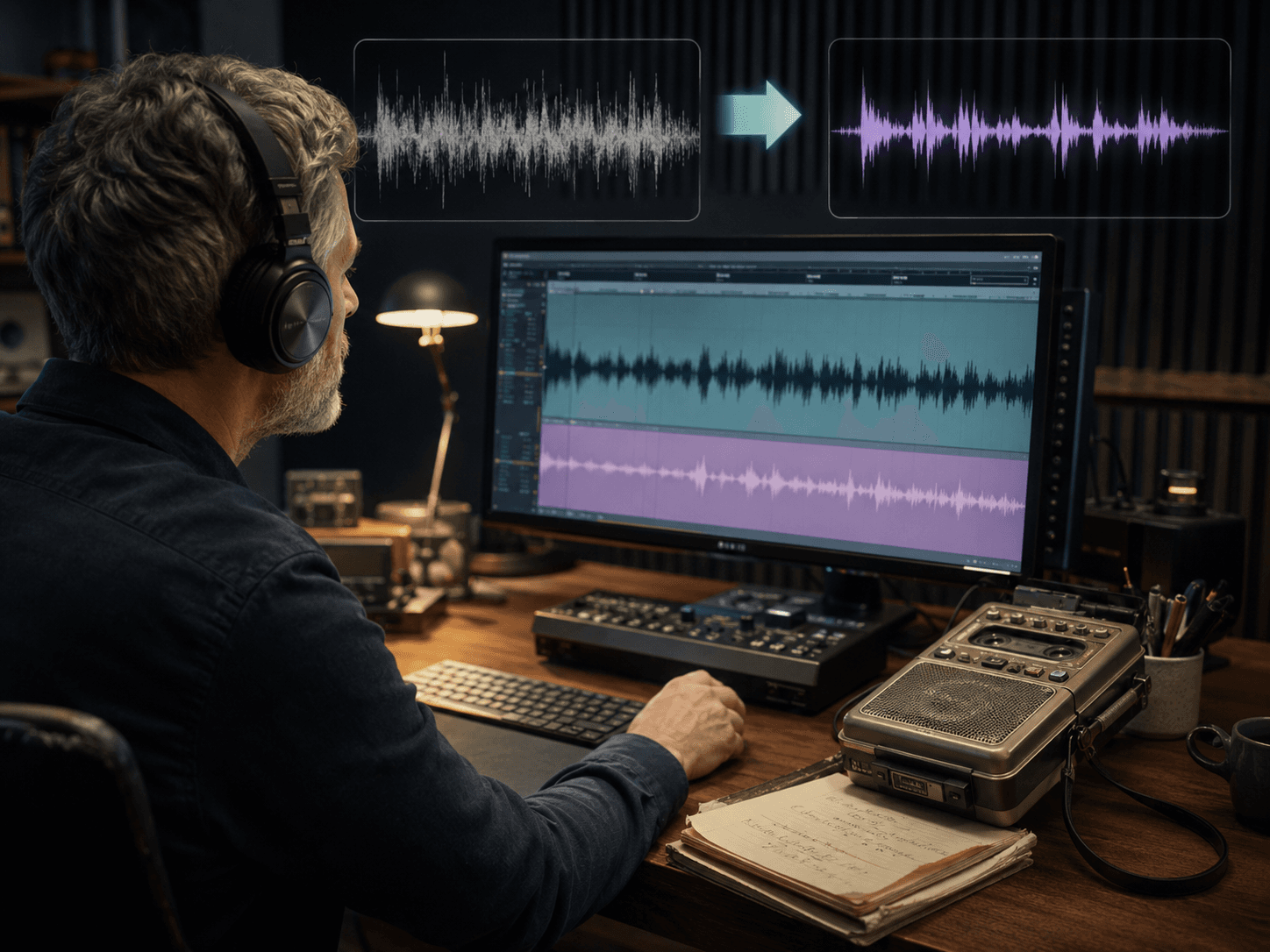
Voice cloning is one of the highest-intent topics around Qwen Audio 3.0 TTS. Users searching this phrase want to know whether they can preserve a speaker's tone, style, or identity from a reference clip. The page should explain that Qwen Audio 3.0 TTS is designed for robust generation even when reference audio may be noisy, reverberant, or unclear. This matters when teams work with field audio, old samples, or imperfect voice references rather than studio-clean files.
Only upload or clone voices you have the right to use. For commercial projects, confirm speaker consent, usage rights, privacy requirements, and platform policy before publishing generated audio.
Prompt control
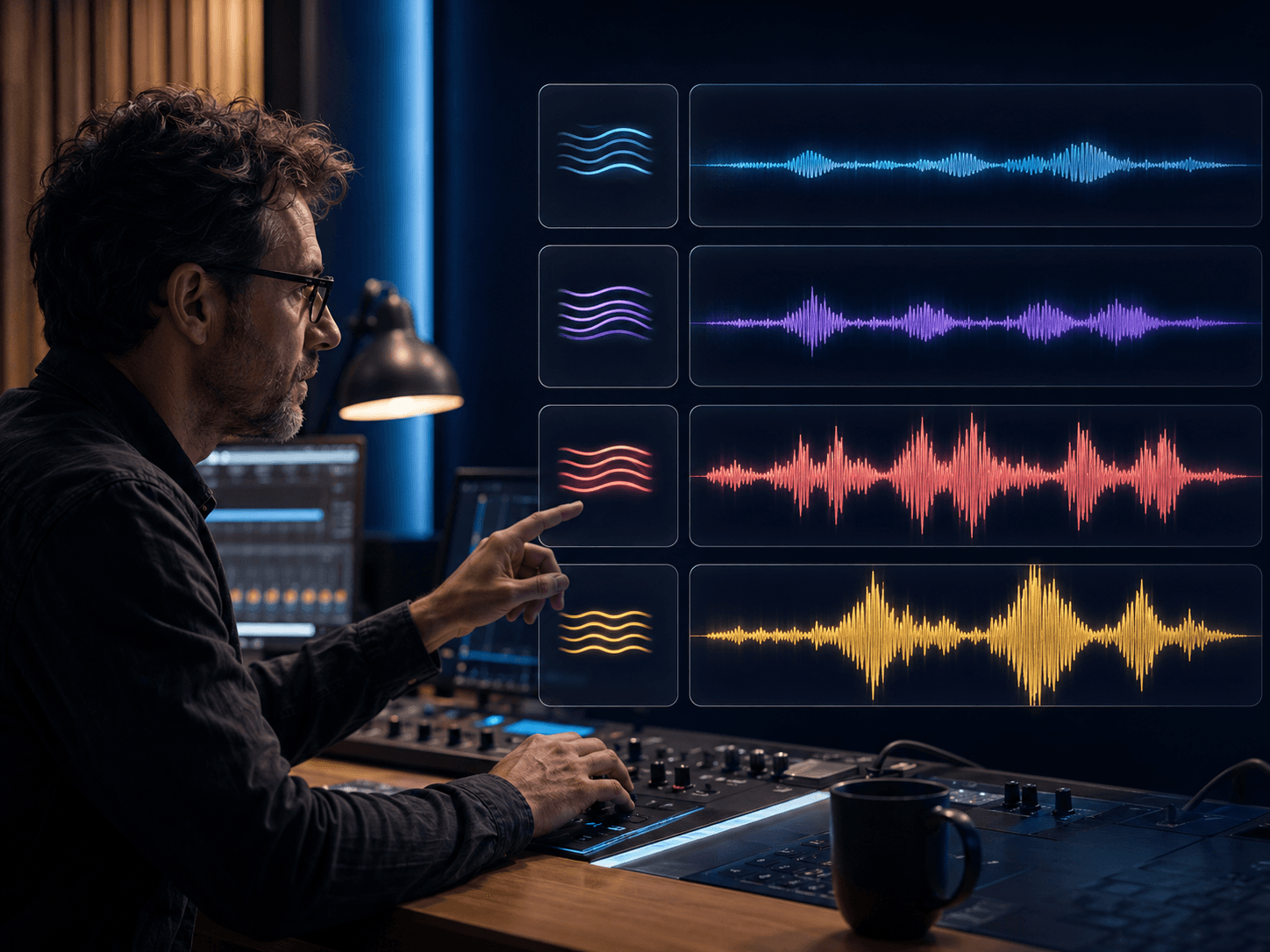
Qwen Audio 3.0 TTS can be positioned around a simple promise: describe the delivery you want in plain English instead of manually tuning acoustic parameters. A team can ask for a calm support voice, a warm audiobook narrator, a fast product-launch tone, a shocked character reaction, or a slow meditation guide. Prompt control can cover role, emotion, scenario, pace, volume, accent, and speaking style.
Fine-grained tags
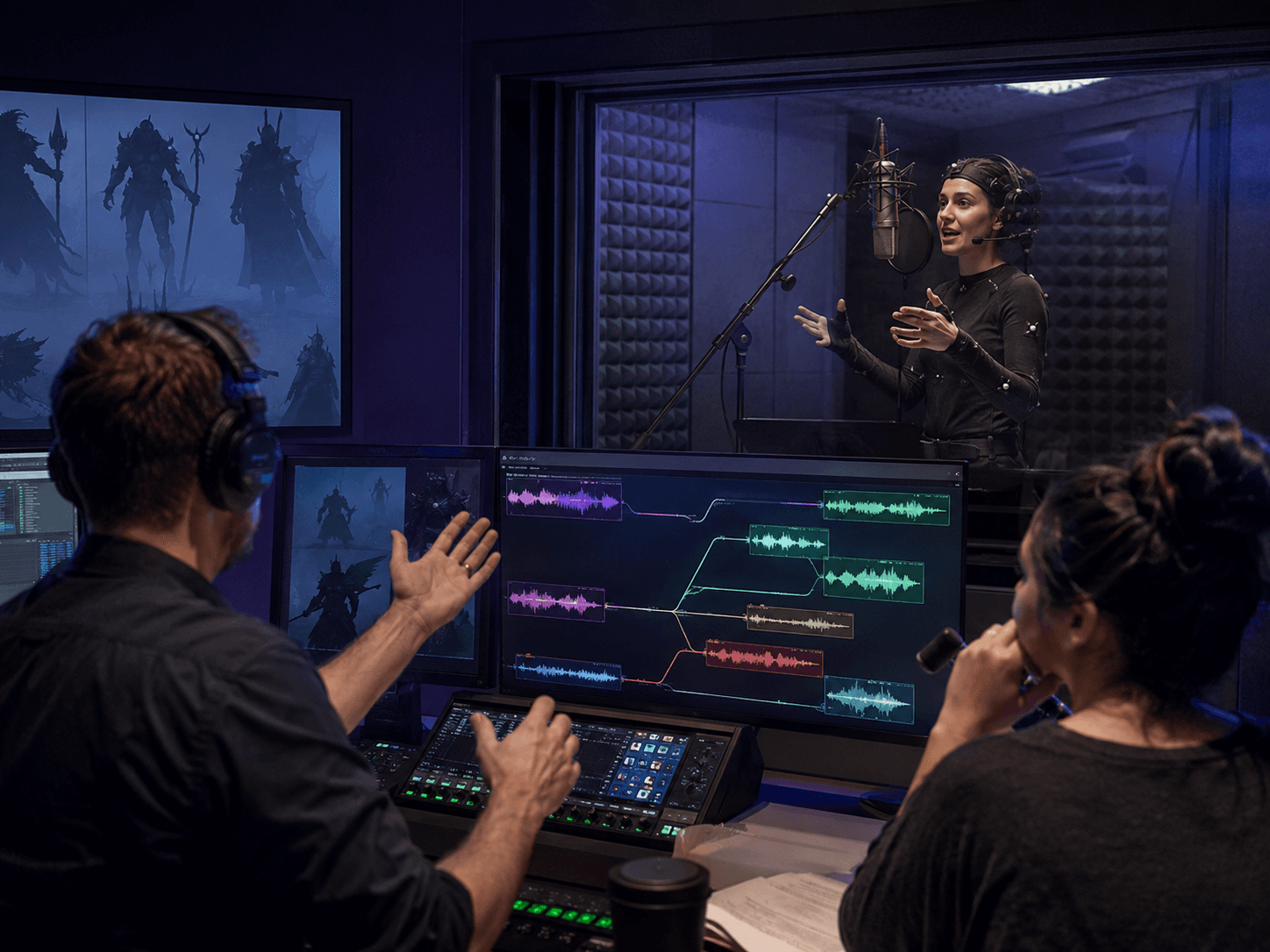
Fine-grained tags help teams control local moments inside a line of speech rather than applying one broad style to the whole output. This matters for games, scripted conversations, podcasts, audio drama, training simulations, and interactive agents. A line may need a breath before a difficult sentence, a short laugh after a joke, a whisper in a tense scene, or a sigh before a disappointed reply.
Example UI copy
Add localized vocal events such as laughter, breathing, coughing, sighing, whispering, or emotional transitions when the selected model experience supports them.
Supported tags may vary by product version.
Explore expressive use cases
Long-form
Many TTS tools sound acceptable for one sentence but become tiring during longer passages. A Qwen Audio 3.0 TTS SEO page should address long-form narration because it captures high-value use cases: audiobooks, training modules, explainer videos, tutorials, guided lessons, and accessibility reading. Long-form synthesis is useful when teams need stable pacing, consistent tone, and fewer editing passes across multi-paragraph scripts.

Use cases
Online access
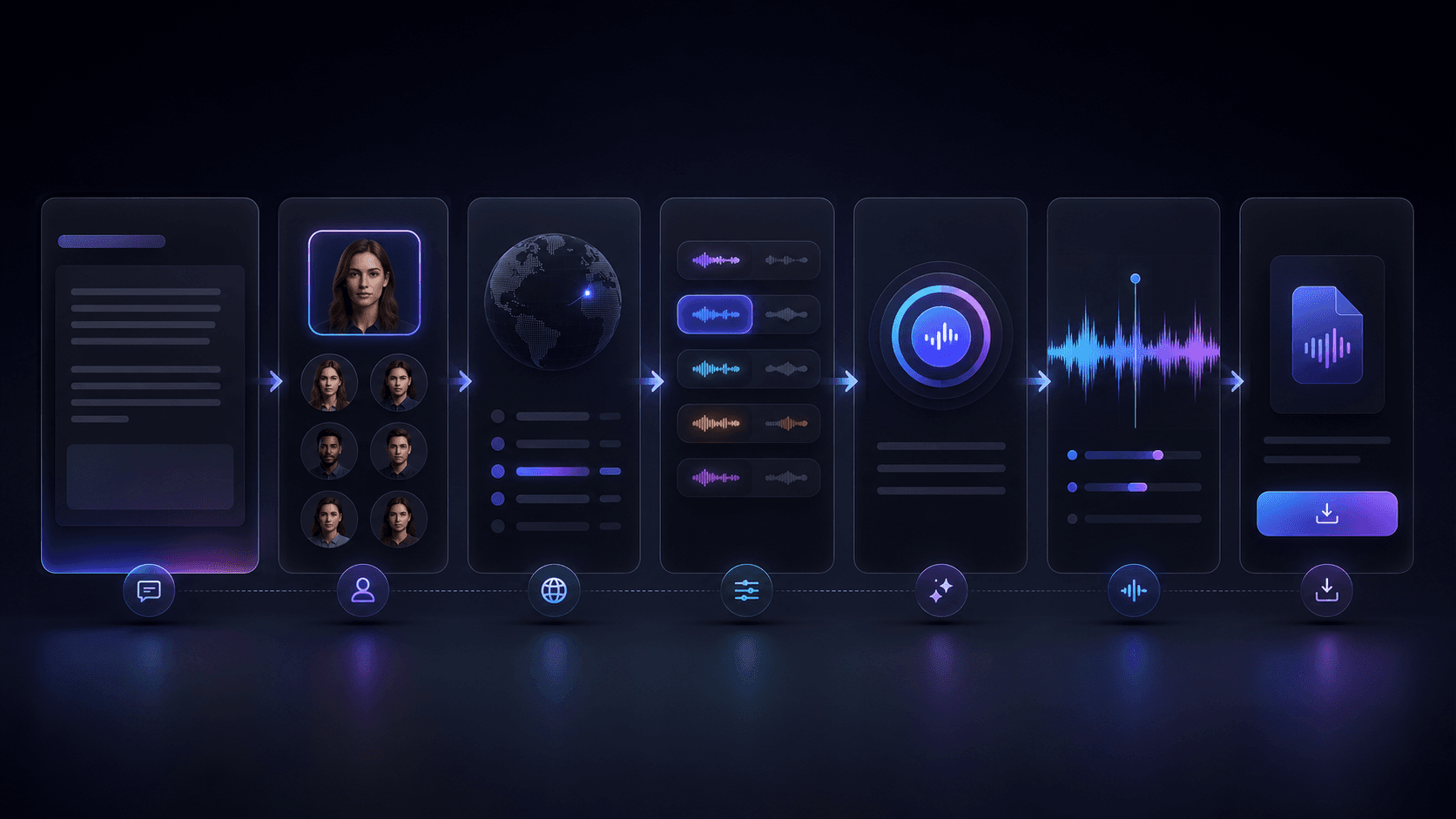
Users searching for Qwen Audio 3.0 TTS online want a clear path from text to speech. Explain the basic workflow: choose a voice style, enter text, select a language, add natural-language direction, generate audio, review the result, and export it for narration, support content, learning material, product videos, or character dialogue. If access varies by region or platform, make that visible.
FAQ
Qwen Audio 3.0 TTS
Users searching for Qwen Audio 3.0 TTS online want a clear path from text to speech. Explain the basic workflow: choose a voice style, enter text, select a language, add natural-language direction, generate audio, review the result, and export it for narration, support content, learning material, product videos, or character dialogue. If access varies by region or platform, make that visible.
Try Online